
ARBEQUINE
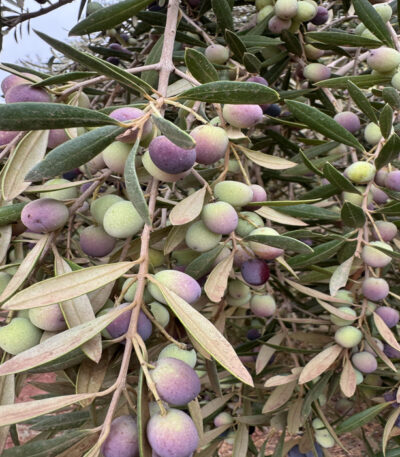
The Arbequine olive variety, classified as an oil cultivar, likely originates from the village of Arbeca in the Lleida region of Spain. The tree has low vigor and limited growth, making it well-suited for high-density orchards. This variety is highly valued for its consistently high productivity and the excellent quality of its oil, which is characterized by good organoleptic properties, although its stability is relatively low. The fruit is a small, round olive weighing less than 2 g, producing a mild-tasting oil. Harvest is early, typically starting in December.
ARBOSANA
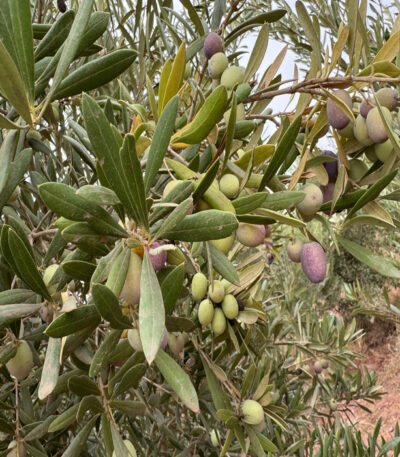
The Arbosana olive variety, classified as an oil cultivar, originates from the Penedès region and likely takes its name from the village of L’Arboç in Tarragona, Spain. The tree has low vigor but enters production quickly, making it suitable for high-density orchards. It is a very productive variety, ripening later than Arbequina, with per-hectare yields often higher in comparative trials. Arbosana oil is fruity and has good stability. The fruit is spherical, slightly asymmetrical, and turns purple when fully ripe. Harvest is late, starting from January.
BARNEA
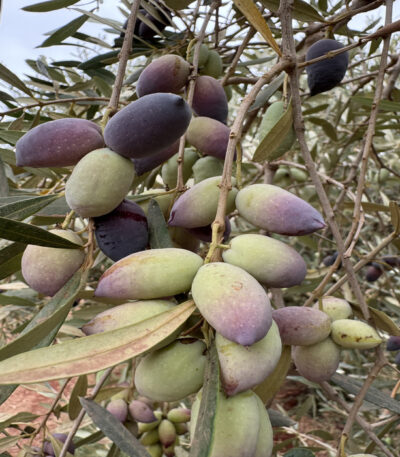
The Barnea is a modern olive cultivar, originating from Israel (where it is also known as K-18), specifically bred for intensive, mechanized cultivation in irrigated orchards. It is distinguished by its dual-purpose nature: it produces both table olives and a good quality, fruity olive oil, often characterized by notes of fresh grass and artichoke. The tree itself is vigorous with an erect growth habit. The fruits, which are medium-sized, change from pale green to deep black at full ripeness. Their maturity for green table olives is relatively early, while full maturity for oil is mid-season. Barnea offers excellent, early yields but is highly dependent on adequate irrigation and generally requires a pollinator to maximize its productivity.
FRANTIO
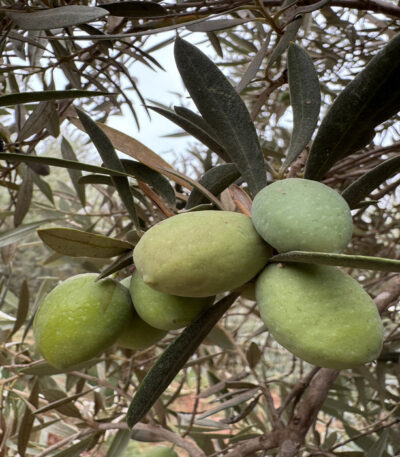
The Frantoio olive variety originates from the Tuscany region in Italy. It is primarily cultivated for olive oil production and is renowned worldwide for the exceptional quality of its extra virgin olive oil. The tree has medium to high vigor with an upright growth habit and adapts well to different soil types and climates. It shows good resistance to cold but remains sensitive to strong winds. Flowering occurs from mid to late season, and harvesting takes place from mid to late season as well. The fruits are medium-sized, elongated, and slightly asymmetrical, with an oil yield ranging from 18 to 22%, depending on growing conditions. The oil produced is highly aromatic, featuring distinct fruity notes with a slightly bitter and spicy flavor. The Frantoio variety is also known for its consistent productivity and good adaptability. However, it can be susceptible to certain diseases, such as olive knot.
HAOUZIA
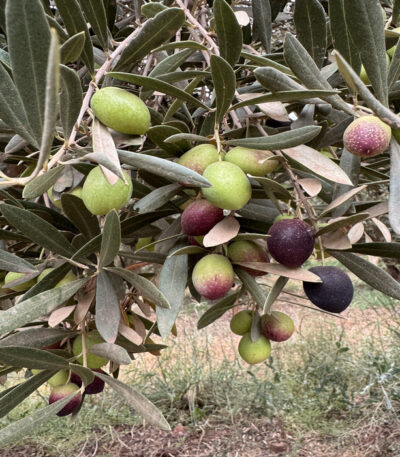
The Haouzia olive variety is a Moroccan cultivar developed through crossbreeding by the National Institute of Agronomic Research (INRA) of Morocco. It originates from a cross between the Picholine Marocaine and Manzanilla varieties. Haouzia is a dual-purpose variety, used both for olive oil production and as table olives. The tree has medium vigor with a semi-upright growth habit.
The fruits are medium to large in size, oval, and uniform in shape. The oil yield is moderate to high, around 18–20%. The oil produced is of good quality, with a balanced and fruity flavor. Flowering occurs fairly early, and harvesting takes place from mid to late season.
This variety is distinguished by its good productivity and tolerance to certain diseases, although it remains susceptible to the olive fruit fly in some regions.
KORENEIKI
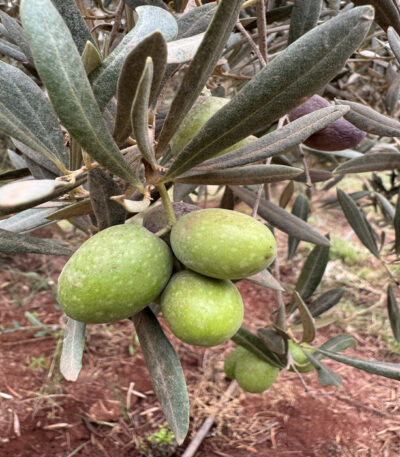
The Koroneiki olive variety originates from Greece, primarily cultivated in Crete and the Peloponnese. It is mainly used for olive oil production. The tree has low to medium vigor with a compact, semi-upright growth habit. Flowering occurs early, and harvesting takes place mid-season. The fruits are small, oval, and uniform in shape, with an oil yield ranging from 18 to 25%. The oil produced is of high quality, highly aromatic and fruity, with slightly bitter and pungent notes. Koroneiki is known for its high productivity, disease resistance, and suitability for mechanical harvesting, making it one of the most widely cultivated Greek varieties for extra virgin olive oil production.
MANZANILLE
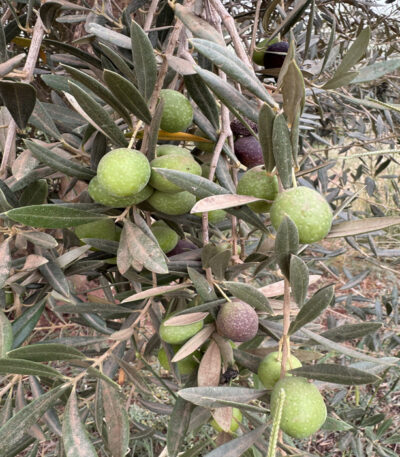
The Manzanilla olive variety originates from Spain, mainly from the Seville region. It is a dual-purpose variety, used both for olive oil production and as table olives, although its primary use is for green or black table olives. The tree has medium to high vigor with an upright to semi-upright growth habit and adapts well to Mediterranean soils and climates. Flowering occurs in mid-season, and harvesting takes place from mid to late season. The fruits are medium to large, round to slightly oval, with an oil yield of 18–20%. This variety is highly valued for its firm and flavorful flesh, consistent productivity, and disease resistance, although it can be somewhat sensitive to pests such as the olive fruit fly.
MENARA
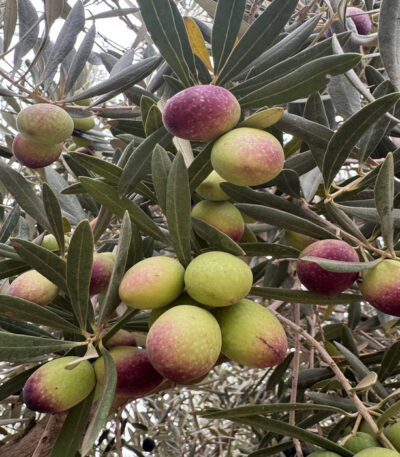
The Menara olive variety is a Moroccan cultivar developed by the National Institute of Agronomic Research (INRA). It is a dual-purpose variety, primarily used for olive oil production but also suitable as table olives. The tree has medium vigor with an upright to semi-upright growth habit. Flowering occurs from medium to early season, and harvesting takes place mid-season. The fruits are medium-sized, oval, with an oil yield of 16–18%. This variety is productive, well adapted to Moroccan conditions, and produces fruity and balanced oil. It also shows good tolerance to certain diseases, although it remains sensitive to the olive fruit fly.
PICHOLINE DE LANGUEDOUC
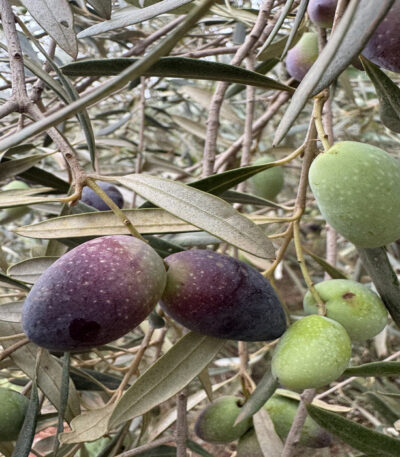
The Picholine olive variety originates from southern France, mainly the Languedoc and Provence regions. It is a dual-purpose variety, used both for olive oil production and as table olives, often consumed green or black. The tree has medium to high vigor with an upright to semi-upright growth habit and adapts well to Mediterranean soils and climates. Flowering occurs in mid-season, and harvesting takes place from mid to late season. The fruits are medium to large, elongated, and slightly asymmetrical, with an oil yield of 18–20%. Picholine is highly valued for its firm and flavorful fruits, consistent productivity, and good disease resistance.
PICHOLINE MAROCAINE
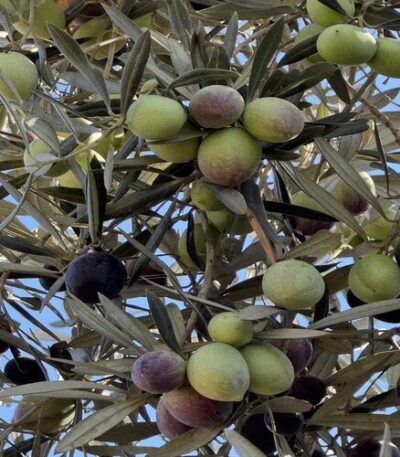
The Moroccan Picholine olive variety originates from Morocco and is widely cultivated in Mediterranean regions. It is a dual-purpose variety, used both for olive oil production and as table olives, with fruits consumed green or black. The tree shows medium to high vigor. Flowering occurs in mid-season, and harvesting takes place from mid to late season. The fruits are medium to large, elongated, and uniform, with an oil yield ranging from 16 to 20%. This variety is highly valued for the firmness and flavor of its fruits.
PICUAL
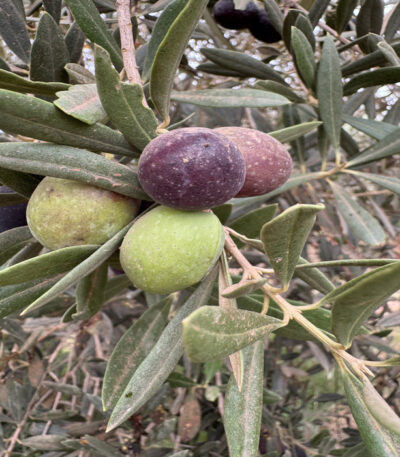
The Picual olive variety originates from Spain, particularly from the Andalusian region, where it is one of the most widely cultivated varieties. It is primarily used for olive oil production and is known for its high and consistent yield. The tree has medium to high vigor, with an upright growth habit and good adaptability to different soil and climatic conditions. Flowering occurs in mid-season, and the harvest is typically early to mid-season. The fruits are medium-sized, oval, and slightly pointed at the apex, with an excellent oil yield that can reach 20 to 27%. The oil produced is of very high quality, rich in antioxidants and oleic acid, with a strong, fruity flavor and a slightly bitter and pungent taste. The Picual variety is appreciated for its resistance to cold and its adaptability to intensive cultivation systems, although it can be sensitive to water stress and certain pests such as the olive fruit fly.