

CAMBRIA
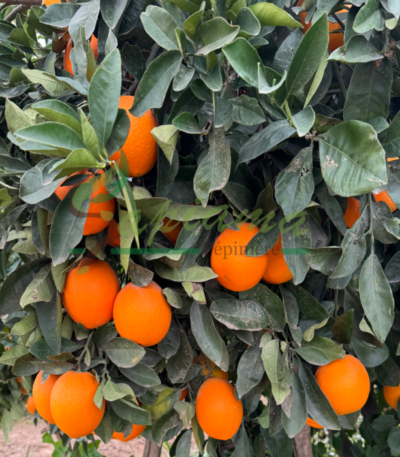
Cambria is a late navel orange originating from a mutation of the Washington navel, discovered in South Africa. This variety stands out for its late maturity, providing a prolonged harvest and extending the orange marketing season.
Tree :
The tree is vigorous and productive, offering healthy and consistent growth.
Fruit :
The fruits are oval and rounded, with a typically closed navel, characteristic of navel oranges. The rind is thin and easy to peel, while the flesh is juicy and sweet, offering an aromatic flavor appreciated by consumers. The fruits hold well on the tree and maintain their quality until harvest.
Harvest Period :
February – May
CARA CARA
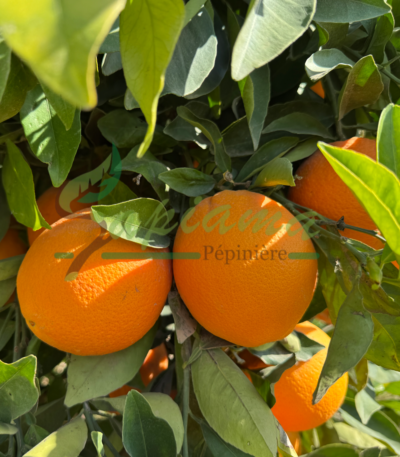
Cara Cara Navel: is a mid-season Navel orange variety, originating from a mutation of the Washington Navel discovered by E.P. Du Charme in 1976 at Hacienda Cara Cara, Valencia Province, Venezuela. The tree has a rounded, slightly drooping canopy, with medium size and vigor. Under the rind, the cambial tissue may show a slight reddish pigmentation. The fruit is slightly thinner than the Washington Navel and features reddish flesh similar to the Star Ruby grapefruit. Its shape is oblong to elongated, with sweet, juicy, and flavorful flesh. The harvest period extends from November to January.

CURCUMA
sdfgsdfgs sdfgsdfgs sdfgsdfgs sdfgsdfgs sdfgsdfgs sdfgsdfgs sdfgsdfgs sdfgsdfgs sdfgsdfgs sdfgsdfgs sdfgsdfgs sdfgsdfgs sdfgsdfgs sdfgsdfgs sdfgsdfgs sdfgsdfgs sdfgsdfgs sdfgsdfgs sdfgsdfgs sdfgsdfgs sdfgsdfgs sdfgsdfgs sdfgsdfgs sdfgsdfgs sdfgsdfgs sdfgsdfgs sdfgsdfgs sdfgsdfgs sdfgsdfgs sdfgsdfgs sdfgsdfgs sdfgsdfgs
DELTA
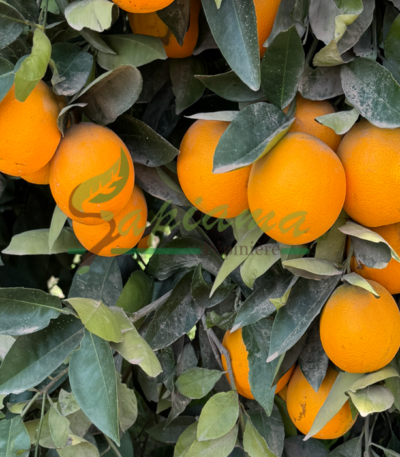
Delta is a sweet orange variety, originating as a mutation of the “Doble Fina” and discovered in 1929 in Almenara, Spain. The tree is moderately vigorous, of medium size, and less vigorous than Valencia Late.
This variety is seedless, and the fruits hold well on the tree. The fruit matures earlier than Valencia Late, with an oval to rounded shape.
Harvest period: March – June
ESBAL
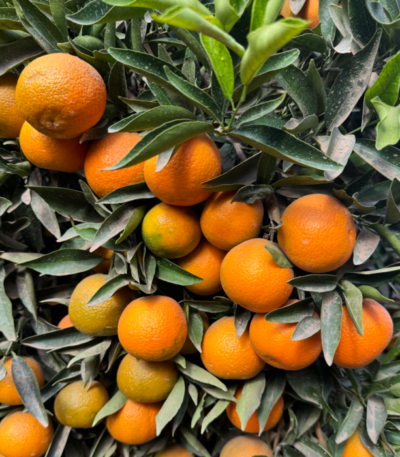
The ESBAL is a mid-season seedless clementine variety, originating from a bud mutation of the Fina variety, discovered in 1966 in Sagunto, Valencia, Spain. It is valued for its excellent eating qualities, featuring a remarkable flavor, fine and tender flesh, as well as an easy-to-peel skin with a bright, attractive orange color.
The harvest generally takes place 2 to 3 weeks after the Marisol and Bakria varieties.
EUREKA
FRANTIO
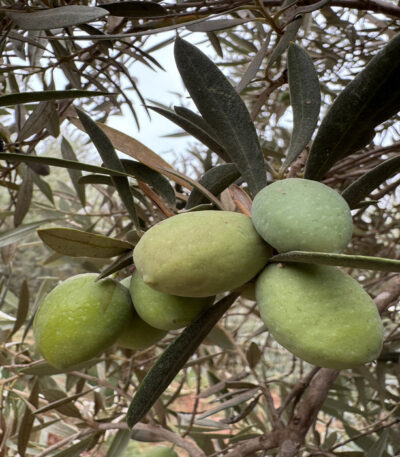
The Frantoio olive variety originates from the Tuscany region in Italy. It is primarily cultivated for olive oil production and is renowned worldwide for the exceptional quality of its extra virgin olive oil. The tree has medium to high vigor with an upright growth habit and adapts well to different soil types and climates. It shows good resistance to cold but remains sensitive to strong winds. Flowering occurs from mid to late season, and harvesting takes place from mid to late season as well. The fruits are medium-sized, elongated, and slightly asymmetrical, with an oil yield ranging from 18 to 22%, depending on growing conditions. The oil produced is highly aromatic, featuring distinct fruity notes with a slightly bitter and spicy flavor. The Frantoio variety is also known for its consistent productivity and good adaptability. However, it can be susceptible to certain diseases, such as olive knot.
FROST WASHINGTON
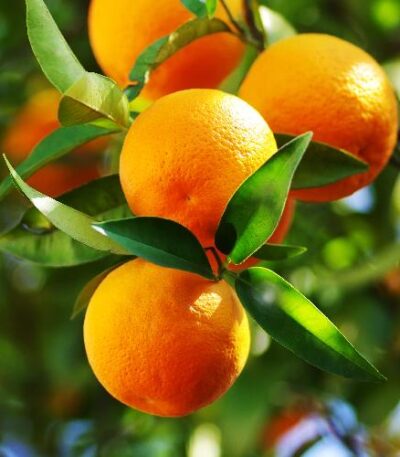
Frost Washington Navel is a mid-season Navel orange variety developed by HB Frost, a geneticist and breeder at the University of California Citrus Research Center in Riverside, through a controlled cross in 1916. The tree is moderately vigorous and enters production quickly, making it highly productive from the first years. The fruit is medium-sized, spheroid to ellipsoid in shape, with a bright orange color. Its flesh is sweet, juicy, and flavorful, while the rind is smooth and easy to peel. The harvest period extends from December to January, offering a reliable and high-quality crop.
FUKUMOTO
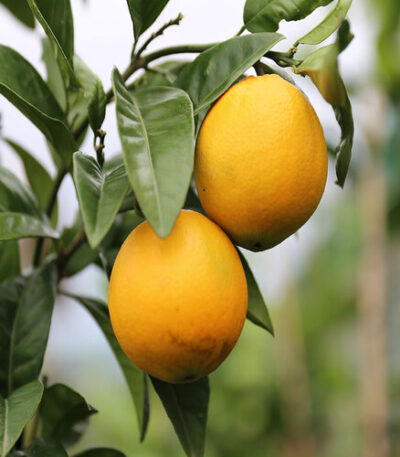
Fukotomo is a mid-season Navel orange variety, originating from a mutation of Washington Navel discovered by Fukumoto in Wakayama Prefecture, Japan. The tree is less vigorous than Washington Navel, producing fruits that are rounded in shape and notable for their distinctive deep reddish-orange color — one of the most remarkable features of this selection. The rind is smooth and attractive, while the flesh is sweet, juicy, and well-flavored. Harvest takes place from November to January, making it an early and highly appreciated variety in Navel orange production.

GUERDANE
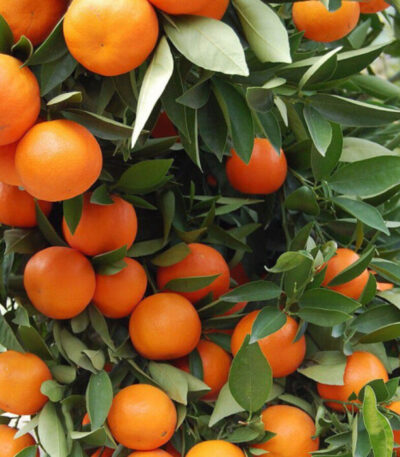
The fruits are firm, oval-shaped, with smooth and thick skin, yet remain easy to peel.
The harvest period extends from January to March, making Guerdane an ideal clementine to extend the citrus availability season.
HAOUZIA
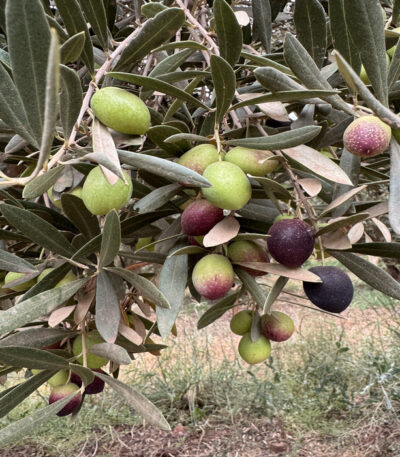
The Haouzia olive variety is a Moroccan cultivar developed through crossbreeding by the National Institute of Agronomic Research (INRA) of Morocco. It originates from a cross between the Picholine Marocaine and Manzanilla varieties. Haouzia is a dual-purpose variety, used both for olive oil production and as table olives. The tree has medium vigor with a semi-upright growth habit.
The fruits are medium to large in size, oval, and uniform in shape. The oil yield is moderate to high, around 18–20%. The oil produced is of good quality, with a balanced and fruity flavor. Flowering occurs fairly early, and harvesting takes place from mid to late season.
This variety is distinguished by its good productivity and tolerance to certain diseases, although it remains susceptible to the olive fruit fly in some regions.